Why I Finally Started Caring About Early Health Checks — And You Should Too
I used to think doctor visits were only for when something felt wrong. But after a close call with a silent health issue, I realized waiting for symptoms is risky. Many serious conditions show no red flags until it’s late. Now, I prioritize simple, regular check-ins that catch problems early. This isn’t about fear — it’s about staying ahead. What changed my mind? Small, smart habits anyone can adopt. Let me walk you through how early detection quietly became my most powerful health tool.
The Wake-Up Call: When "Feeling Fine" Wasn’t Enough
For years, I measured my health by how I felt day to day. If I had energy, slept well, and didn’t feel pain, I assumed everything was fine. That belief nearly cost me more than I realized. It wasn’t until a routine physical — one I almost skipped — that a slightly elevated blood pressure reading and an unusual cholesterol level raised concerns. My doctor recommended further testing, and within weeks, I was diagnosed with early-stage hypertension and borderline high cholesterol. There had been no obvious signs. No chest pain, no dizziness, no warning. Yet, the damage to my cardiovascular system had already begun.
The emotional impact was profound. I felt a mix of relief and regret — relief that it was caught early, but regret for the years I’d ignored the possibility of silent risks. I had assumed that because I felt healthy, I was healthy. That mindset, shared by many, is one of the most common barriers to preventive care. The shift from reactive to proactive health management didn’t happen overnight. It required accepting that the body can develop serious conditions without announcing them. This experience reshaped my understanding of wellness: true health isn’t just the absence of symptoms, but the presence of awareness.
What made this moment a turning point was learning about asymptomatic conditions — diseases that progress without noticeable signs. Conditions like high blood pressure, high cholesterol, type 2 diabetes, and certain cancers often develop silently over years. According to the Centers for Disease Control and Prevention (CDC), nearly half of adults in the United States have high blood pressure, and about half of those are unaware they have it. These conditions are dangerous precisely because they don’t cause discomfort until significant harm has occurred. Early detection, therefore, isn’t a luxury — it’s a necessity. My story isn’t unique, but it is representative of a larger truth: waiting until you feel unwell may mean you’ve already lost valuable time.
This realization led me to reevaluate my entire approach to health. Instead of viewing medical visits as something reserved for illness, I began to see them as essential maintenance, much like servicing a car before the engine fails. The shift wasn’t driven by fear, but by a growing sense of responsibility — to myself and to my family. I didn’t want my children to one day hear, "We wish we had caught this sooner." That moment of clarity became the foundation for a new habit: prioritizing regular health checks, not because I was sick, but because I wanted to stay well.
What Is Preventive Healthcare — And Why It’s Not Just for “Older Adults”
Preventive healthcare refers to actions taken to avoid illness before it starts or to catch it at its earliest, most treatable stage. It’s not about treating disease — it’s about preventing it. This includes routine screenings, vaccinations, lifestyle adjustments, and regular monitoring of key health indicators. Many people mistakenly believe that preventive care is only necessary once they reach middle age or have a family history of illness. However, the foundation of long-term health is built much earlier, often in adulthood, and sometimes even in younger years.
There are three main levels of prevention: primary, secondary, and tertiary. Primary prevention aims to stop disease before it occurs. This includes actions like eating a balanced diet, staying physically active, avoiding tobacco, and getting recommended vaccines. Secondary prevention focuses on early detection through screenings such as blood pressure checks, cholesterol tests, and cancer screenings like mammograms or colonoscopies. The goal is to identify conditions at a stage when treatment is most effective. Tertiary prevention comes into play after a diagnosis, aiming to reduce complications and improve quality of life — for example, managing diabetes through medication and lifestyle changes to prevent vision loss or kidney disease.
One of the most persistent myths is that preventive care is only for people with known risk factors. In reality, many serious conditions develop without warning, even in individuals who appear healthy and have no family history. For instance, the American Heart Association emphasizes that heart disease can affect people of all ages and backgrounds, and risk factors like high cholesterol can develop due to lifestyle, not just genetics. Another misconception is that preventive care is time-consuming or expensive. While access can vary, many screenings are covered by insurance, and some can even be done at home with simple tools. The truth is, investing time in prevention now can save significant time, money, and emotional strain later.
Starting early is crucial. The U.S. Preventive Services Task Force recommends that adults begin certain screenings in their 20s and 30s, including blood pressure checks and cholesterol testing. These baseline measurements provide valuable data for tracking changes over time. Waiting until symptoms appear means missing the window when intervention is most effective. Preventive healthcare isn’t about aging — it’s about awareness. It’s about recognizing that health is not a passive state, but an active process that requires attention, regardless of how you feel today.
How Early Detection Works: The Science Behind the Screens
Early detection relies on tools and strategies designed to identify health issues before symptoms arise. These include blood tests, imaging scans, vital sign monitoring, and routine physical exams. While these may sound clinical, they are grounded in simple, evidence-based science. The principle is straightforward: the earlier a condition is found, the more options are available for treatment, and the better the chances of a positive outcome. For example, catching high blood sugar in the prediabetes stage allows for lifestyle changes that can prevent or delay the onset of type 2 diabetes.
Blood tests are among the most common and informative screening tools. A basic metabolic panel can reveal kidney function, blood sugar levels, and electrolyte balance. A lipid panel measures cholesterol and triglycerides, providing insight into heart disease risk. These tests require only a small blood sample and can detect imbalances long before they cause symptoms. Similarly, blood pressure measurements — taken in a clinic or at home — offer a real-time snapshot of cardiovascular health. Consistently high readings, even if they don’t cause discomfort, are a strong predictor of future heart attacks or strokes.
Imaging technologies like mammograms, low-dose CT scans for lung cancer, and colonoscopies play a critical role in cancer screening. These tools can detect abnormal tissue growth before it becomes life-threatening. For example, colonoscopies can identify and remove precancerous polyps, effectively preventing colorectal cancer. According to the American Cancer Society, regular screening has contributed to a steady decline in colorectal cancer deaths over the past two decades. This demonstrates the power of early intervention: it doesn’t just treat disease — it stops it in its tracks.
The effectiveness of early detection is supported by decades of medical research. Studies consistently show that individuals who participate in recommended screenings have better health outcomes and lower mortality rates. For instance, detecting breast cancer at an early stage increases the five-year survival rate to over 90%. These findings are not based on anecdote — they are backed by large-scale, peer-reviewed research and endorsed by leading health organizations like the CDC, the World Health Organization, and the National Institutes of Health. The science is clear: routine screenings are one of the most powerful tools we have for protecting long-term health.
The Top Silent Threats — And How We Can Catch Them Sooner
Some of the most common and dangerous health conditions are known as "silent killers" because they progress without obvious symptoms. Among the most prevalent are hypertension, high cholesterol, and certain types of cancer, including breast, colorectal, and cervical cancer. These conditions can cause irreversible damage over time, yet many people remain unaware they are at risk until a crisis occurs. Understanding these threats and knowing when to start screening can make a life-changing difference.
Hypertension, or high blood pressure, is often called the "silent killer" for good reason. It affects nearly half of all adults in the U.S. and significantly increases the risk of heart attack, stroke, and kidney disease. Yet, most people with high blood pressure experience no symptoms. The only way to know is to measure it. The American Heart Association recommends that all adults have their blood pressure checked at least once every two years, starting at age 18. For those with elevated readings, more frequent monitoring is advised. Home blood pressure monitors are widely available and easy to use, making it possible to track trends over time.
High cholesterol is another major but invisible risk factor. It contributes to the buildup of plaque in arteries, which can lead to heart disease and stroke. Like hypertension, it typically causes no symptoms. A simple blood test called a lipid panel can measure total cholesterol, LDL ("bad" cholesterol), HDL ("good" cholesterol), and triglycerides. The CDC recommends that adults aged 20 and older have their cholesterol checked every four to six years, or more often if they have risk factors. Early detection allows for interventions such as dietary changes, increased physical activity, or medication, all of which can reduce long-term risk.
Cancer screening is equally important. Breast cancer screening with mammograms is recommended for women starting at age 40 or 50, depending on risk factors and guidelines. Colorectal cancer screening should begin at age 45 for most people, using methods like colonoscopy, stool-based tests, or CT colonography. Cervical cancer can be prevented through regular Pap smears and HPV testing, starting at age 21. These screenings have been proven to reduce cancer deaths by detecting abnormalities early, when treatment is most effective. Lifestyle factors such as diet, physical inactivity, and stress can mask or accelerate these risks, making regular monitoring even more essential.
Simple Habits That Support Early Warning Systems
While medical screenings are vital, everyday habits can also serve as early warning systems. Paying attention to your body’s signals can help you notice changes before they become serious. Simple daily observations — such as energy levels, sleep quality, digestion, and mood — can provide valuable clues about your overall health. For example, persistent fatigue might indicate anemia or thyroid issues, while changes in bowel habits could signal digestive problems. These aren’t diagnoses, but they are prompts to seek further evaluation.
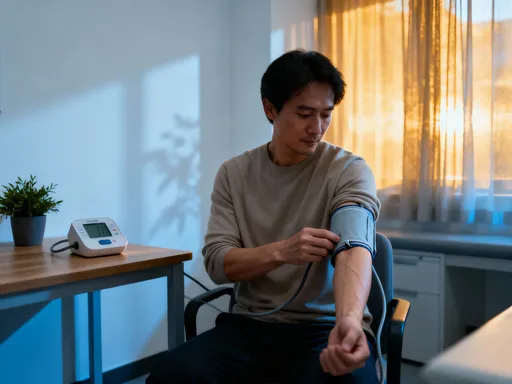
Tracking key health metrics at home has become more accessible than ever. Digital blood pressure cuffs, glucose monitors, and even smart scales can provide real-time data. Using these tools regularly allows you to establish a baseline and identify trends. A blood pressure reading that gradually rises over weeks, even if still within the "normal" range, might indicate an emerging issue. Similarly, tracking weight, waist circumference, or resting heart rate can reveal patterns linked to metabolic health.
Keeping a basic health journal can enhance this process. Writing down symptoms, food intake, sleep patterns, and physical activity creates a record that can be shared with a doctor. Over time, this information can help identify triggers or correlations — for instance, noticing that headaches occur after certain foods or that low energy follows poor sleep. This doesn’t require detailed medical knowledge, just consistent observation. The goal is not to self-diagnose, but to gather information that supports informed conversations with healthcare providers.
These small data points, when collected over time, form a larger picture of your health. They empower you to take action before a minor issue becomes major. For example, noticing a gradual increase in blood pressure might prompt earlier intervention through diet or exercise, potentially avoiding medication. These habits don’t replace professional care — they complement it. By combining routine screenings with daily awareness, you create a comprehensive system for staying ahead of health risks.
Making It Practical: How to Talk to Your Doctor Without Feeling Overwhelmed
One of the biggest barriers to preventive care is the fear of what a doctor might find — or the discomfort of discussing health concerns. Many people avoid check-ups because they worry about bad news or feel unprepared. The key to overcoming this is preparation. Before a visit, it helps to write down any symptoms, changes in routine, or family health history. Bringing a list of questions ensures you don’t forget important topics. Simple inquiries like "What screenings do I need at my age?" or "Are my blood pressure and cholesterol in a healthy range?" can open meaningful conversations.
Sharing family history is another important step. Conditions like heart disease, diabetes, and certain cancers can have genetic components. Knowing your family’s health background helps your doctor assess your personal risk and recommend appropriate screenings. If you’re unsure about your family history, that’s okay — simply sharing what you do know is a good start. Doctors are trained to guide these discussions without judgment and can help you understand what matters most.
Navigating insurance and access to care can be challenging, but many preventive services are covered under health plans, especially under guidelines like those from the Affordable Care Act. Routine screenings such as mammograms, colonoscopies, and vaccinations are often fully covered with no out-of-pocket cost. If cost is a concern, community health centers, clinics, and public health programs may offer low-cost or free services. The goal is not perfection — it’s progress. Even one screening can provide critical information.
Building a partnership with your doctor is more effective than viewing visits as formal evaluations. Think of your healthcare provider as a guide, not an authority figure. Open, honest communication fosters trust and leads to better care. If you feel dismissed or unheard, it’s okay to seek a second opinion or find a new provider. The right doctor will listen, answer questions, and support your preventive efforts. Over time, these visits become less intimidating and more routine — a normal part of taking care of yourself.
Building a Lifelong Routine — Not a One-Time Fix
Preventive care is not about a single test or a one-time decision — it’s about consistency. The most effective health strategies are those that become habitual, woven into the rhythm of daily life. Just as brushing your teeth isn’t a cure for cavities but a way to prevent them, regular health checks are a form of ongoing maintenance. Intensity matters less than regularity. Skipping years between visits and then rushing in after symptoms appear is far less effective than steady, informed attention.
One practical way to make this routine is to tie health checks to annual events. Scheduling your physical around your birthday, the start of a new year, or a family holiday can make it easier to remember. Setting calendar reminders or linking the appointment to another habit — like renewing your driver’s license — reinforces the behavior. Over time, it becomes less of a chore and more of a personal commitment.
Encouraging loved ones to adopt similar habits doesn’t require pressure or persuasion. Leading by example is often more powerful. When family members see you prioritizing your health, they may begin to reflect on their own habits. Sharing your experience — not as a warning, but as a choice — can inspire others to take their own steps. A simple comment like "I started getting regular check-ups and it really put my mind at ease" can open a conversation without judgment.
In the end, preventive care is an act of self-respect. It’s a recognition that your health is worth protecting, not just for today, but for all the years ahead. It’s not driven by fear, but by care — for yourself and for those who depend on you. By making small, informed choices now, you build a foundation for a longer, healthier, and more peaceful life. The body gives signals — the smartest move is to listen early.
Early detection isn’t about worrying more — it’s about living longer, healthier, and with greater peace of mind. By making small, informed choices now, we protect our future selves in powerful ways. This isn’t a one-size-fits-all journey, but a personal commitment backed by science. With regular attention and open conversations with doctors, we can shift from reacting to illness to leading with prevention. Your body gives you signals — the smartest move is to listen early.