How I Tamed My Blood Pressure with These Real Food Swaps
High blood pressure creeps up silently—but I didn’t wait for a crisis. After my doctor’s warning, I dug into science-backed diet changes that actually fit real life. No extreme restrictions, just simple, doable shifts in what I eat every day. The result? Noticeable improvement and more energy. If you're looking for practical, no-nonsense ways to support healthier blood pressure through food, this is for you—straight from my kitchen to yours.
The Wake-Up Call: When Normal Felt Wrong
It was a routine checkup, the kind that blends into the background of adult life. I wasn’t feeling unwell—no headaches, no dizziness, nothing out of the ordinary. Yet when the nurse read my blood pressure, she paused. The number was 138 over 86. My doctor called it “elevated,” hovering just above the normal range. She didn’t reach for a prescription pad right away, but she did say something that stuck with me: “This is your body sending an early message.”
Hypertension, or high blood pressure, is often called a silent killer because it rarely announces itself with dramatic symptoms. You can feel completely fine while your arteries face constant strain. Over time, that pressure damages blood vessel walls, increases the heart’s workload, and raises the risk of serious health issues, including heart disease and stroke. What surprised me most was learning that nearly half of adults in many developed countries live with high blood pressure—many without knowing it.
That moment in the clinic became my turning point. I didn’t want to wait for a scare or a diagnosis that forced me into medication. I wanted to act while I still had control. While medication is necessary and effective for many, I was determined to see if dietary changes alone could make a meaningful difference. I began researching, consulting trusted health sources, and speaking with a registered dietitian. What I discovered wasn’t a miracle cure, but a set of practical, evidence-based strategies that could fit into my daily routine without turning my life upside down.
What Blood Pressure Actually Tells You (And Why It Matters)
Blood pressure is a simple measurement, but it reveals a great deal about cardiovascular health. It’s recorded as two numbers: systolic pressure (the top number) measures the force your heart exerts when it beats, while diastolic pressure (the bottom number) reflects the pressure in your arteries when your heart rests between beats. A reading below 120 over 80 is considered normal. Once the systolic number climbs to 130 or higher, or the diastolic to 80 or above, it’s classified as elevated or high.
These numbers matter because they reflect how hard your heart is working and how much stress your blood vessels endure. When pressure remains consistently high, it can lead to thickening of artery walls, reduced elasticity, and a greater chance of plaque buildup. Over time, this increases the risk of heart attack, stroke, and kidney problems. The good news is that blood pressure is responsive to lifestyle choices—especially diet.
Many people assume that only salt affects blood pressure, but the reality is far more complex. While sodium plays a significant role, other dietary factors like potassium intake, fiber consumption, and overall eating patterns are equally important. Chronic stress, lack of sleep, and physical inactivity also contribute. The body operates as a system, and blood pressure is one of its key indicators. By understanding what these numbers mean, I began to see my daily food choices not as isolated events, but as part of a larger pattern influencing my long-term well-being.
The DASH Diet Decoded: Not a Fad, Just Smart Science
As I searched for reliable guidance, one name kept appearing: the DASH diet. Short for Dietary Approaches to Stop Hypertension, DASH was developed through research funded by the National Heart, Lung, and Blood Institute. Unlike many popular diets that promise quick fixes, DASH is built on years of clinical evidence and is recommended by major health organizations, including the American Heart Association.
The core idea behind DASH is balance. It emphasizes whole grains, vegetables, fruits, lean proteins, and low-fat dairy while limiting red meat, sweets, and foods high in saturated fat and sodium. One of its most powerful features is its focus on increasing potassium, a mineral that helps balance sodium levels in the body and eases tension in blood vessel walls. Foods rich in potassium—like bananas, sweet potatoes, spinach, and beans—are central to the plan.
What makes DASH sustainable is its flexibility. It doesn’t eliminate entire food groups or require expensive supplements. Instead, it encourages gradual shifts toward nutrient-dense foods. Studies have shown that following the DASH eating plan can lower systolic blood pressure by several points in just a few weeks, especially when combined with sodium reduction. It’s not about perfection; it’s about progress. For me, DASH wasn’t a diet to follow for a month—it became a framework for how I wanted to eat for the rest of my life.
My 5 Go-To Food Swaps That Made a Difference
Adopting DASH didn’t mean overhauling my kitchen overnight. Instead, I focused on simple food swaps—small changes that added up over time. These weren’t about deprivation, but about upgrading what I already ate. Each swap reduced sodium, increased nutrients, and supported better blood pressure without sacrificing flavor or convenience.
The first change was ditching canned soup. I used to rely on it for quick lunches, not realizing that a single serving could contain more than half the recommended daily sodium limit. I started making my own broth using onions, carrots, celery, garlic, and low-sodium vegetable or chicken stock. Adding fresh herbs like thyme and parsley gave it depth without salt. I’d prepare a large batch on weekends and freeze it in portions. The result was a flavorful, low-sodium alternative that warmed me up without spiking my numbers.
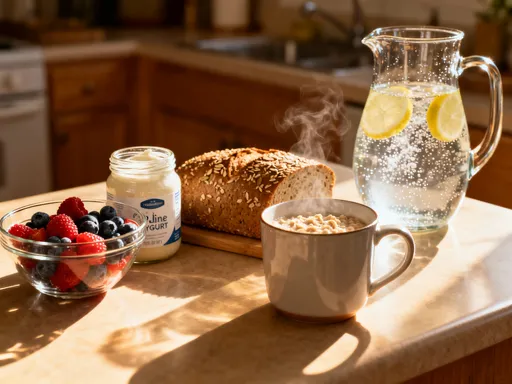
Next, I swapped white bread for whole grains. I switched to oats for breakfast and sprouted grain bread for toast. These options are higher in fiber, which helps regulate blood pressure by improving cholesterol levels and supporting healthy digestion. Fiber also promotes satiety, helping me avoid mid-morning snacking. The texture was heartier, but after a few days, my taste buds adjusted, and I actually preferred the nutty flavor.
Sugary yogurt was another hidden culprit. Flavored varieties often contain as much sugar as a dessert. I began buying plain Greek yogurt and adding my own fresh berries. This simple change cut added sugar dramatically while boosting antioxidants and natural sweetness. The protein content in Greek yogurt also helped keep me full longer, reducing cravings later in the day.
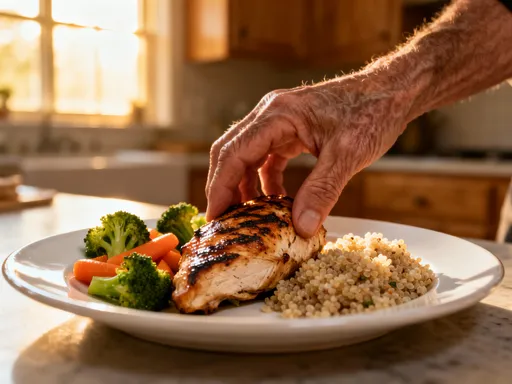
Lunch used to mean deli meat on a sandwich, but processed meats are loaded with sodium and preservatives. I replaced them with grilled chicken breast or canned beans—rinsed well to remove excess salt. I’d roast a chicken on Sundays and use the leftovers throughout the week. Beans became a staple, especially black and kidney beans, which are rich in both fiber and potassium. These swaps not only lowered sodium but added plant-based protein and variety to my meals.
Finally, I gave up soda. It wasn’t easy at first—carbonation and sweetness were a hard habit to break. I switched to sparkling water with a splash of citrus or cucumber slices. Over time, my taste for sugary drinks faded. Now, I enjoy the subtle flavors of lemon, lime, or even a few mint leaves. This change alone saved me hundreds of calories and grams of sugar each week, and my energy levels stabilized.
Hidden Sodium Traps—And How I Avoid Them Now
One of the biggest lessons I learned was that sodium hides in plain sight. It’s not just the salt shaker—it’s in bread, cheese, condiments, and even breakfast cereals. A single slice of store-bought bread can contain 150 to 200 milligrams of sodium, and if you eat two slices for toast and two more for a sandwich, that’s nearly a full day’s allowance before dinner. Frozen meals, while convenient, are often sodium bombs, sometimes packing over 1,000 milligrams per serving.
To take control, I became a label reader. I learned to look for products labeled “low sodium” (which means 140 milligrams or less per serving) and “no salt added.” I also paid attention to serving sizes—sometimes a package contains two or three servings, making it easy to double or triple the sodium without realizing it. I started comparing brands and choosing options with the lowest sodium content, even if the difference was small. Over time, those small savings added up.
In the kitchen, I discovered how to build flavor without relying on salt. Garlic, onion, black pepper, cumin, paprika, and turmeric became my go-to spices. A squeeze of fresh lemon juice or a dash of vinegar could brighten a dish instantly. I experimented with herb blends—like Italian seasoning or herbes de Provence—to add complexity. Roasting vegetables brought out their natural sweetness, reducing the need for seasoning. These techniques made healthy eating enjoyable rather than restrictive.
Building a Blood Pressure-Friendly Plate (Without Feeling Deprived)
Once I understood the principles of DASH and had a few swaps in place, I focused on building balanced meals. I adopted a simple visual guide: half the plate filled with vegetables, a quarter with lean protein, and a quarter with whole grains. This approach ensured variety, fiber, and steady energy throughout the day.
Breakfast might be oatmeal topped with blueberries and a sprinkle of chia seeds, or a spinach and mushroom omelet with a slice of sprouted grain toast. Lunch often included a large salad with mixed greens, grilled chicken or chickpeas, cucumbers, tomatoes, and a vinaigrette made with olive oil and lemon juice. Dinner rotated between baked salmon with roasted sweet potatoes and steamed broccoli, or lentil stew with a side of quinoa.
Snacks were just as important. I kept cut-up vegetables, hummus, unsalted nuts, and fresh fruit on hand. Planning ahead helped me avoid reaching for salty crackers or sugary treats when hunger struck. On busy days, I relied on meal prep—cooking grains and proteins in advance, washing and chopping vegetables, and storing them in clear containers. Seeing healthy options first made it easier to make good choices.
This way of eating didn’t feel like a diet. I wasn’t counting calories or eliminating foods I loved. Instead, I was nourishing my body with real, whole ingredients. The flavors were rich, the meals satisfying, and I never felt like I was missing out.
Small Steps, Big Shifts: What Really Sustained My Progress
Change doesn’t happen overnight, and I had my share of setbacks. There were days when I ate restaurant food with hidden sodium, or grabbed a snack that wasn’t ideal. But I learned that consistency matters more than perfection. One less-than-healthy meal doesn’t undo weeks of good habits. What counted was the overall pattern.
To stay motivated, I began monitoring my blood pressure at home. Using a digital cuff, I took readings at the same time each week. I didn’t obsess over daily fluctuations—stress, hydration, and even time of day can affect the numbers. Instead, I looked for trends. Over three months, I saw a steady decline. My average dropped from 138 over 86 to 126 over 78. That progress gave me confidence that my efforts were working.
I also stayed in touch with my doctor. At my follow-up appointment, she was pleased with the improvement and agreed we could delay medication for now. She reminded me that this wasn’t a solo journey—healthcare providers are partners in prevention. Regular checkups, open communication, and shared decision-making are essential. I wasn’t trying to replace medical advice; I was complementing it with lifestyle changes I could control.
Conclusion
Managing blood pressure through diet isn’t about drastic overhauls—it’s about smarter choices that add up. What worked for me wasn’t a miracle, but a method: real food, mindful swaps, and patience. This isn’t medical advice, but a lived experience to inspire your own path. With the right foundation, lower numbers and better energy aren’t just possible—they’re within reach.