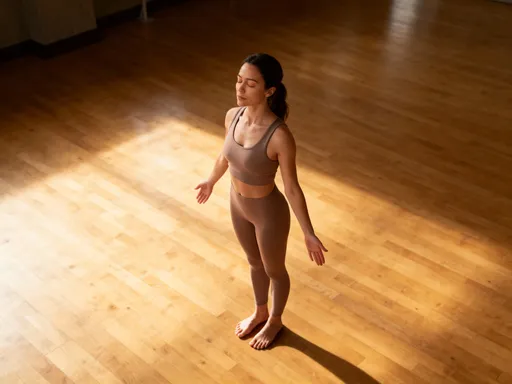
Calm in the Chaos: How I Learned to Breathe Through Anxiety
Anxiety used to hijack my days—racing thoughts, restless nights, constant worry. But over time, I discovered simple, science-backed habits that actually helped me regain control. This isn’t about quick fixes or magic cures. It’s about real, doable steps that quietly rebuild your sense of calm. If you're just starting your journey, this is for you. Anxiety affects millions of people worldwide, often silently and without warning. It can feel isolating, overwhelming, and exhausting. Yet, with the right tools and understanding, it is entirely possible to reduce its grip and live with greater peace. This article explores how awareness, breath, movement, mindset, environment, and support work together to create lasting emotional resilience.
The Breaking Point: When Anxiety Became Too Loud to Ignore
Anxiety often begins subtly—small signs that blend into the background of daily life. A persistent sense of restlessness, difficulty concentrating, or trouble falling asleep might seem minor at first. Overthinking becomes routine, with the mind replaying conversations or anticipating worst-case scenarios. Fatigue sets in, not from physical exertion but from the constant mental strain. Irritability flares over small inconveniences, and the body feels tense without clear reason. These are not character flaws—they are signals that the nervous system is under prolonged stress.
For many, the turning point comes when these symptoms start to interfere with everyday responsibilities. One woman described how she began canceling plans with friends, not out of disinterest, but because the thought of social interaction triggered waves of unease. Another shared that she would lie awake for hours, heart racing, convinced something was wrong even when all evidence suggested otherwise. These experiences are more common than most realize, yet many delay seeking help due to misconceptions about anxiety.
Some believe that feeling anxious means they are weak or lacking in discipline. Others assume it’s just part of being busy or aging. There’s also a lingering stigma that associates mental health struggles with instability, making people hesitant to speak up. But anxiety is not a personal failure—it is a physiological response that has become misaligned. Recognizing this distinction is crucial. The moment someone acknowledges their anxiety, they take the first step toward healing. It’s not about fixing everything at once, but about opening the door to change.
What Anxiety Really Is (and Isn’t): Clearing the Mental Fog
Anxiety is the brain’s natural alarm system activating in response to perceived threat. In our ancestors, this system helped avoid danger—like spotting a predator or navigating a risky environment. Today, the same mechanism can trigger in response to emails, financial concerns, or family responsibilities. The problem isn’t the alarm itself, but that it sometimes sounds too often or too loudly, even when there’s no real danger present. This is what happens in chronic anxiety: the body remains in a state of high alert, mistaking everyday stressors for emergencies.
It’s important to differentiate between normal stress and chronic anxiety. Stress is usually tied to a specific situation—like preparing for a presentation or managing a tight deadline—and tends to fade once the event passes. Anxiety, on the other hand, can persist long after the trigger is gone. It may show up as persistent worry, physical tension, or avoidance behaviors. Think of stress as a fire alarm going off during a real fire; anxiety is when the alarm keeps ringing even after the fire is out.
Biology plays a role in how sensitive this alarm system becomes. Genetics, early life experiences, and even nutrition can influence how the brain regulates emotions. Environmental factors like ongoing work pressure, caregiving demands, or major life changes can also contribute. But none of this means someone is broken or beyond help. Anxiety is not a life sentence. With the right strategies, the nervous system can be retrained to respond more calmly and appropriately.
Understanding anxiety as a manageable condition—not a personal flaw—shifts the mindset from shame to empowerment. When people stop blaming themselves and start seeing anxiety as a signal rather than a flaw, they become more open to solutions. The goal is not to eliminate anxiety entirely—some level of it is natural and even useful—but to bring it back into balance. This shift in perspective is often the foundation upon which recovery is built.
Breathing Like a Pro: The #1 Tool I Actually Use Every Day
Among all the strategies for managing anxiety, one stands out for its simplicity and effectiveness: diaphragmatic breathing. Also known as belly breathing, this technique engages the deep muscle beneath the lungs—the diaphragm—to promote slower, fuller breaths. Unlike shallow chest breathing, which often accompanies anxiety, diaphragmatic breathing activates the parasympathetic nervous system, the body’s natural calming network. It sends a signal: “You are safe. You can relax.”
Scientific studies have shown that slow, controlled breathing reduces heart rate, lowers blood pressure, and decreases levels of cortisol, the primary stress hormone. When practiced regularly, it helps reset the body’s stress response over time. The best part? It requires no equipment, can be done anywhere, and takes just minutes. For many, it becomes a go-to tool during moments of rising tension or before bed to improve sleep quality.
One widely used method is the 4-7-8 technique. Begin by exhaling completely through the mouth. Then, inhale quietly through the nose for a count of four. Hold the breath for seven counts. Finally, exhale slowly through the mouth for eight counts. Repeating this cycle four times creates a rhythm that calms the mind and body. Another option is box breathing: inhale for four, hold for four, exhale for four, hold for four. The key is consistency and focus on the breath, not perfection.
Results are often noticeable within days. Some report feeling more grounded during conversations, while others notice fewer nighttime awakenings. One woman shared that she began using the 4-7-8 method while waiting in the school pickup line, a time when she used to feel overwhelmed by the day’s demands. Over time, that short breathing practice became a ritual of recentering. The power of breath lies not in dramatic transformation, but in quiet, cumulative change. It teaches the body that calm is possible—even in the middle of chaos.
Movement That Matters: Why a 10-Minute Walk Changed My Mornings
Physical activity is one of the most underused tools in anxiety management. Many assume that only intense workouts provide benefits, but research shows that even light movement can significantly improve mood and reduce anxious thoughts. A daily 10-minute walk, for example, can regulate stress hormones like cortisol and adrenaline while increasing endorphins—natural brain chemicals that promote feelings of well-being. Movement doesn’t have to be strenuous to be effective; consistency matters far more than intensity.
For those new to exercise or managing fatigue, starting small is essential. A short walk around the neighborhood, gentle stretching in the living room, or a few minutes of chair yoga can make a meaningful difference. The goal is not to burn calories but to reconnect the mind and body. When anxiety makes the mind race, physical movement provides a grounding anchor. It brings attention back to the present moment—the rhythm of footsteps, the sensation of breath, the feeling of muscles working.
One study published in the Journal of Affective Disorders found that participants who engaged in regular low-intensity walking reported lower anxiety levels and improved sleep patterns after just six weeks. The benefits extend beyond the physical. Movement builds a sense of agency—the feeling that you are taking positive action for your well-being. Over time, this fosters confidence and reduces the helplessness that often accompanies anxiety.
Many women in their 30s to 50s find that incorporating movement into their morning routine sets a calmer tone for the day. Instead of reaching for the phone first thing, they step outside for fresh air and gentle motion. This small shift creates a buffer between sleep and the demands of family or work. As one mother of two put it, “That walk isn’t just for my body—it’s the only time I feel like I’m truly breathing again.” Movement, in its simplest form, becomes an act of self-care and resilience.
Rewiring Thoughts: Simple Mindset Shifts That Actually Stick
Thoughts shape emotions, and anxious thoughts often follow predictable patterns—catastrophizing (“What if something terrible happens?”), overgeneralizing (“Everything always goes wrong”), or mind-reading (“They probably think I’m failing”). These mental habits are not lies, but distortions—like a camera lens slightly out of focus. Cognitive awareness involves noticing these patterns without judgment, creating space between the thought and the reaction.
One effective technique is thought labeling. When a familiar anxious thought arises—“I can’t handle this”—simply name it: “There’s the ‘overwhelm’ thought again.” This simple act reduces the thought’s power. It shifts the mind from being caught in the story to observing it. Over time, this builds mental flexibility, allowing for more balanced perspectives. It’s not about suppressing thoughts, but about changing the relationship to them.
Journals can support this process. Writing down anxious thoughts helps externalize them, making them easier to examine. Prompts like “What evidence supports this worry?” or “What would I tell a friend in this situation?” encourage rational reflection. Grounding techniques, such as the 5-4-3-2-1 method—naming five things you see, four you can touch, three you hear, two you smell, and one you taste—anchor the mind in the present, interrupting spiraling thoughts.
Progress here is rarely dramatic. It comes in small moments: catching a negative thought before it escalates, pausing instead of reacting, or choosing a calmer response. These micro-shifts accumulate. Over weeks and months, they build emotional resilience. The goal is not to eliminate all anxious thinking, but to reduce its frequency and intensity. With practice, the mind becomes less reactive and more responsive—a skill that supports long-term well-being.
Creating a Calm Environment: Small Changes, Big Impact
The spaces we live in profoundly influence our mental state. Clutter, excessive noise, harsh lighting, and constant screen exposure can subtly increase stress levels. A kitchen counter piled with unopened mail, a bedroom filled with electronic devices, or a living room dominated by a glowing television—all send subconscious signals of chaos and urgency. In contrast, orderly, peaceful environments promote psychological safety and emotional stability.
Simple adjustments can make a significant difference. Reducing screen time, especially before bed, helps regulate the nervous system. The blue light emitted by phones and tablets interferes with melatonin production, making it harder to fall asleep. Establishing a digital curfew—turning off devices one hour before bedtime—supports better sleep hygiene, which is closely linked to anxiety management.
Organizing physical spaces also helps. Decluttering a single drawer or shelf can create a sense of control and accomplishment. Using soft lighting, calming colors, or natural elements like plants or wooden furniture enhances a room’s soothing effect. Some find that gentle background sounds—like rain or ocean waves—or the use of calming scents such as lavender or chamomile contribute to relaxation.
Sleep hygiene is another critical factor. A consistent bedtime routine—such as reading a book, sipping herbal tea, or practicing gentle stretches—signals to the body that it’s time to wind down. Keeping the bedroom cool, dark, and quiet further supports restful sleep. When sleep improves, so does emotional regulation. One woman shared that after moving her phone charging station out of the bedroom, she began sleeping more soundly and waking with less mental fog. These environmental changes may seem minor, but their cumulative effect on mental clarity and calm is substantial.
When to Reach Out: Why Support Is Strength, Not Weakness
While self-help strategies are valuable, they are most effective when combined with professional support. Therapy, particularly cognitive behavioral therapy (CBT), has strong scientific backing for treating anxiety. A trained therapist helps identify unhelpful thought patterns, develop coping skills, and process underlying emotional triggers. Counseling provides a safe, confidential space to explore feelings without judgment—a rare gift in daily life.
Some hesitate to seek help, fearing they must be in crisis to qualify. But just as people visit doctors for routine checkups, mental health care can be preventive. Early intervention often leads to better outcomes. Others worry about being labeled or misunderstood. Yet, seeking support is not a sign of weakness—it is an act of courage and self-respect. It reflects a commitment to well-being, not a lack of strength.
Medical guidance may also be necessary in some cases. A primary care provider can rule out underlying conditions—such as thyroid imbalances or vitamin deficiencies—that mimic anxiety symptoms. In certain situations, short-term use of medication, under professional supervision, can help stabilize mood and make therapy more effective. The decision to use medication is personal and should be made in consultation with a healthcare provider.
Rehabilitation is not a solo journey. It thrives on connection—whether through therapy, support groups, or trusted friends. Progress is rarely linear. There will be days of improvement and days when old patterns return. What matters most is patience and self-compassion. Healing is not about perfection, but about showing up consistently, even in small ways. Each step forward, no matter how tiny, builds momentum toward a calmer, more balanced life.
Small Steps, Stronger Self
Anxiety does not define you. It is a response, not your identity. Through awareness, breath, movement, mindset shifts, environmental adjustments, and support, it is possible to regain a sense of control and peace. These strategies are not quick fixes, but foundational practices that build resilience over time. The journey is personal, gradual, and deeply human.
Calm is not the absence of anxiety—it is the ability to move through it with greater ease. Every breath, every walk, every moment of self-awareness is a step toward healing. Progress may be slow, but it is real. By showing up for yourself, day after day, you strengthen your capacity to face life’s challenges with clarity and confidence.
Remember, you are not alone. Millions have walked this path and found relief. And while your experience is unique, the tools for healing are accessible. Begin where you are. Use what you have. Do what you can. With time, patience, and support, a calmer, more centered life is within reach. Always consult a qualified healthcare professional for personalized guidance on managing anxiety.