How I Stay Ahead of Illness—Simple Daily Moves That Actually Work
We all want to stay healthy, but waiting until we’re sick to act is a mistake. I’ve learned that small, consistent habits make the biggest difference in preventing illness. From better sleep to smarter food choices, these everyday decisions shape our long-term health. This isn’t about extreme fixes—it’s real, doable health management. Let me walk you through what’s truly helped me stay strong and energized, all based on preventive care that fits into real life. These are not miracle cures or trendy regimens, but time-tested, science-supported practices that anyone can adopt. The goal isn’t perfection—it’s progress, one day at a time.
Understanding Preventive Healthcare: Why Waiting Is Risky
Preventive healthcare is not just about annual check-ups or vaccinations; it’s a continuous process of making choices that reduce the risk of illness before symptoms appear. Many people assume they’re healthy simply because they don’t feel sick, but conditions like high blood pressure, elevated blood sugar, or early-stage heart disease often develop silently. By the time symptoms emerge, damage may already be underway. This is why waiting for pain, fatigue, or a diagnosis to prompt action is a high-risk strategy. Preventive care shifts the focus from reaction to anticipation—supporting the body’s natural balance before imbalances become problems.
One common misconception is that health means the absence of disease. In reality, true health includes energy, mental clarity, emotional stability, and physical resilience. It’s possible to be free of diagnosed illness yet still feel sluggish, irritable, or frequently unwell. Preventive health addresses these subtle signs as early warnings. For example, chronic low-grade inflammation—a condition linked to poor diet, stress, and inactivity—doesn’t always cause obvious symptoms but can contribute to arthritis, heart disease, and metabolic disorders over time. By adopting habits that reduce inflammation early, such as eating more whole foods and managing stress, individuals can significantly lower their long-term disease risk.
The foundation of prevention lies in daily decisions. What you eat, how you move, how well you sleep, and how you manage stress all influence your body’s ability to function optimally. These choices may seem minor in isolation, but their cumulative effect over months and years is profound. Research from the Centers for Disease Control and Prevention (CDC) shows that up to 80% of heart disease and type 2 diabetes cases are preventable through lifestyle changes. This doesn’t mean eliminating risk entirely, but it does mean taking meaningful steps to stack the odds in your favor. Prevention isn’t about fear—it’s about empowerment.
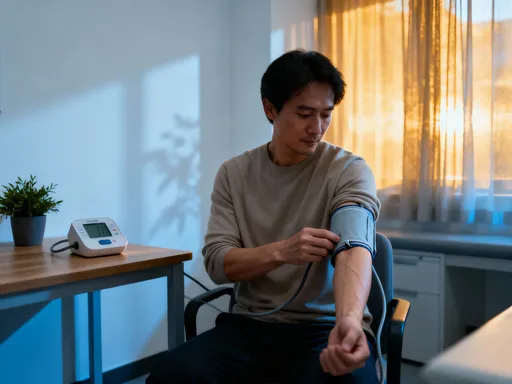
Another key aspect of preventive care is regular monitoring. This includes routine blood pressure checks, cholesterol screenings, and discussions with a healthcare provider about personal and family medical history. These conversations help identify risk factors early, allowing for timely interventions. For women over 40, this might include mammograms; for those with a family history of diabetes, regular glucose testing may be advised. These measures are not indicators of illness but tools for maintaining wellness. When combined with healthy daily habits, they form a comprehensive approach to staying ahead of illness.
My Morning Routine: Small Habits, Big Impact
How you start your day can set the tone for your entire health trajectory. A consistent morning routine doesn’t have to be elaborate—just intentional. One of the first things I do upon waking is drink a glass of water. After several hours without fluids, the body is naturally dehydrated. Rehydrating first thing supports kidney function, kickstarts metabolism, and helps the brain transition into alertness. Sometimes I add a slice of lemon for flavor, but the key is simply getting water into the system early. This small act signals to the body that a new day of care has begun.
Next, I spend five to ten minutes in light movement. This might include stretching, gentle yoga, or a short walk around the house or yard. The goal isn’t to break a sweat but to awaken the muscles and improve circulation. After lying still all night, the body benefits from this gentle activation. Studies show that even low-intensity movement in the morning can improve insulin sensitivity, support joint health, and enhance mood by increasing endorphin levels. It also helps regulate the circadian rhythm, making it easier to fall asleep at night. The key is consistency, not intensity—doing a little every day is more effective than occasional vigorous workouts.
Breakfast is another cornerstone of my morning. I aim for a balanced meal that includes protein, healthy fats, and fiber. For example, I might have scrambled eggs with spinach and avocado, or oatmeal topped with nuts and berries. This combination helps stabilize blood sugar, preventing the energy crashes that often come with sugary cereals or pastries. Eating mindfully—without rushing or multitasking—also supports digestion and helps me tune into my body’s hunger and fullness cues. When meals are approached with awareness, they become acts of self-care rather than just fuel.
Finally, I take a few moments to set an intention for the day. This might be as simple as reminding myself to stay hydrated, take breaks, or respond calmly to stress. It’s not about rigid planning, but about creating a mental framework for healthy choices. These morning habits don’t take much time—often less than 30 minutes total—but they establish a rhythm of care that carries through the rest of the day. Over time, they’ve become automatic, not burdensome, and I’ve noticed fewer colds, more energy, and a greater sense of control over my health.
Food as Prevention: What I Actually Eat (No Gimmicks)
Diet plays a central role in preventive health, yet it’s often misunderstood. Fad diets come and go, promising rapid results, but sustainable health comes from consistent, balanced eating. I focus on whole, minimally processed foods—vegetables, fruits, whole grains, lean proteins, and healthy fats. These foods provide essential nutrients that support immune function, reduce inflammation, and protect cells from damage. Instead of labeling foods as “good” or “bad,” I think in terms of nourishment. What will fuel my body and support long-term wellness?
One of the most powerful shifts I’ve made is increasing my intake of plant-based foods. Vegetables and fruits are rich in antioxidants, vitamins, and fiber—all of which contribute to disease prevention. For example, cruciferous vegetables like broccoli and Brussels sprouts contain compounds that support the body’s natural detoxification processes. Berries are high in flavonoids, which have been shown to support heart health and cognitive function. I aim to include a variety of colors on my plate, knowing that different pigments often indicate different beneficial compounds. This approach makes meals more enjoyable and nutritionally diverse.
Portion awareness is another key element. Even healthy foods can contribute to weight gain if eaten in excess. I use simple strategies like filling half my plate with vegetables, choosing smaller plates, and eating slowly to allow my body time to register fullness. I also avoid eating out of boredom or stress, which can lead to overconsumption. When I do eat snacks, I choose nutrient-dense options like Greek yogurt, a handful of almonds, or sliced apple with peanut butter. These provide sustained energy without spiking blood sugar.
I don’t follow a rigid meal plan, but I do have a flexible framework. Lunch often includes a salad with mixed greens, beans, and a lean protein like grilled chicken or tofu, dressed with olive oil and vinegar. Dinner might be baked salmon with quinoa and roasted vegetables. I allow myself occasional treats—dark chocolate, a small piece of cake—but they’re the exception, not the rule. The goal isn’t restriction, but balance. Over time, my taste preferences have shifted; I now crave wholesome foods more than processed ones. This isn’t about willpower—it’s about training the body to expect and enjoy real nutrition.
Sleep: The Silent Superpower Nobody Talks About
Sleep is one of the most powerful yet overlooked tools for disease prevention. During sleep, the body repairs tissues, consolidates memories, and regulates hormones that control appetite, stress, and immune function. Chronic sleep deprivation has been linked to a higher risk of obesity, type 2 diabetes, heart disease, and depression. Yet many people sacrifice sleep for work, screen time, or household responsibilities, not realizing they’re undermining their long-term health. Prioritizing sleep isn’t lazy—it’s essential maintenance.
I’ve learned that sleep quality matters as much as quantity. Even if you spend eight hours in bed, frequent awakenings, poor sleep environment, or irregular schedules can prevent restorative rest. To improve my sleep hygiene, I’ve established a consistent bedtime and wake-up time, even on weekends. This helps regulate my internal clock, making it easier to fall asleep and wake up naturally. I also create a wind-down routine—turning off screens at least an hour before bed, dimming the lights, and doing something calming like reading or gentle stretching.
My bedroom is reserved for sleep and intimacy only—no work, no TV, no phones. This strengthens the mental association between the bed and rest. I keep the room cool, quiet, and dark, using blackout curtains and a white noise machine if needed. Caffeine is avoided after noon, and large meals are finished a few hours before bedtime to prevent digestive discomfort. These changes didn’t transform my sleep overnight, but over weeks, I noticed deeper rest, fewer nighttime awakenings, and more energy during the day.
The benefits extend beyond physical health. Good sleep improves mood, focus, and emotional resilience. When I’m well-rested, I’m better equipped to handle stress, make healthy food choices, and stay active. It’s a foundational habit that supports all other aspects of wellness. While life sometimes disrupts sleep—illness, travel, or family needs—I now view poor sleep as a signal to reset, not a normal state. Protecting sleep is one of the most important forms of self-care I practice.
Stress—The Hidden Trigger You Can’t Ignore
Chronic stress is a silent contributor to many preventable health issues. While short-term stress is a natural response to challenges, prolonged activation of the stress response can harm the body. Elevated cortisol levels—often called the “stress hormone”—can increase blood pressure, suppress immune function, disrupt digestion, and contribute to weight gain, particularly around the abdomen. Many women in their 30s to 50s juggle multiple roles—caregiver, employee, partner—and may not recognize the toll chronic stress is taking until symptoms arise.
One of the most effective tools I’ve found for managing stress is diaphragmatic breathing. Taking slow, deep breaths activates the parasympathetic nervous system, which helps the body shift from “fight or flight” to “rest and digest.” I practice this for a few minutes each day, especially during moments of tension. Other simple strategies include walking in nature, journaling, or scheduling short breaks to sit quietly with a cup of tea. These aren’t luxuries—they’re necessary practices for maintaining balance.
I also prioritize boundaries. Saying no to additional commitments, delegating tasks, and protecting personal time are not selfish—they’re essential for long-term health. I’ve learned to recognize early signs of stress, such as irritability, trouble sleeping, or digestive issues, and respond before they escalate. This might mean rescheduling a meeting, taking a walk, or calling a trusted friend for support. Building a support network and seeking connection are also powerful stress buffers.
Mindset plays a role, too. Instead of viewing stress as an enemy, I see it as a signal that something needs attention. It might be a workload imbalance, a relationship issue, or a lack of self-care. By responding with compassion and practical steps, I can address the root cause rather than just managing symptoms. Managing stress isn’t about eliminating it completely—that’s impossible—but about developing resilience and healthy coping mechanisms.
Movement That Fits: Why Exercise Doesn’t Have to Be Extreme
Physical activity is a cornerstone of preventive health, yet many people believe they need intense workouts to see benefits. The truth is, regular movement—any kind—supports circulation, metabolism, mood, and immune function. I’ve shifted my mindset from “exercise as punishment” to “movement as medicine.” This means finding ways to stay active that fit my life, not disrupt it. Walking is my go-to—whether it’s a 20-minute stroll after dinner or parking farther from the store, every step counts.
I also incorporate strength training two to three times a week, using bodyweight exercises like squats, lunges, and push-ups, or light dumbbells. Building muscle is especially important as we age, since muscle mass naturally declines, which can slow metabolism and increase frailty. Strength training helps maintain independence and supports bone health, reducing the risk of osteoporosis. Flexibility and balance are also priorities—I do simple stretches daily and occasionally practice tai chi or yoga, which improve coordination and reduce fall risk.
The key is consistency. Missing a day doesn’t mean failure; the goal is long-term adherence. I track my steps with a simple pedometer, aiming for 7,000 to 10,000 daily, but I don’t obsess over the number. What matters is that I’m moving more than I sit. Breaking up long periods of sitting—standing while talking on the phone, stretching during TV commercials—also makes a difference. These small efforts add up, improving energy, reducing stiffness, and enhancing overall well-being.
Over time, I’ve noticed that regular movement helps me sleep better, manage stress more effectively, and maintain a healthy weight. It’s not about achieving a certain look—it’s about feeling strong and capable. When exercise is approached as self-care rather than a chore, it becomes sustainable. And that’s what prevention is all about: building habits that support health for decades to come.
Tracking and Tweaking: My Personal Health Checkpoints
Staying ahead of illness also means paying attention to your body’s signals. I regularly check in with myself—how is my energy? Is my digestion regular? Am I sleeping well? These aren’t just daily observations; they’re data points that help me adjust my habits. For example, if I notice fatigue, I consider whether I’ve been sleeping poorly, eating too many processed foods, or skipping movement. Rather than ignoring it, I make small tweaks—earlier bedtime, more vegetables, a midday walk.
I also keep up with routine health screenings—annual physicals, blood work, dental cleanings, and age-appropriate preventive tests. These provide objective information that complements how I feel. Sometimes, lab results reveal imbalances before symptoms appear, allowing for early intervention. I view these appointments as part of my health maintenance, not just crisis management. I come prepared with questions and notes about any changes I’ve noticed, making the most of my time with my healthcare provider.
Self-awareness doesn’t mean obsessing over every ache or symptom. It’s about noticing patterns and responding with care, not fear. If something feels off for more than a week or two, I seek professional advice. But most of the time, small adjustments are enough—drinking more water, reducing screen time, or adding more fiber to my diet. These micro-changes prevent minor issues from becoming major ones.
Finally, I practice self-compassion. I don’t expect perfection. Some days, I eat too much sugar, skip a walk, or stay up late. That’s okay. Health is a lifelong journey, not a destination. What matters is that I keep showing up, making choices that support my well-being, and learning from experience. By tracking progress, not perfection, I stay motivated and resilient.
Conclusion
True health isn’t about quick fixes or dramatic changes—it’s built through consistent, mindful choices. By focusing on prevention, we take control before problems start. These habits aren’t about being perfect; they’re about showing up for yourself every day. When you manage your health like a daily practice, not a crisis response, you create a life of more energy, clarity, and resilience. And that’s worth every small effort. Prevention isn’t complicated, but it is intentional. It’s choosing water over soda, a walk over scrolling, rest over overwork. It’s listening to your body, honoring its needs, and protecting your long-term well-being. The power to stay ahead of illness is already in your hands—one simple, daily move at a time.