Pilates Changed My Body Awareness—Here’s What My Movement Taught Me
Have you ever felt disconnected from your body, like it’s just carrying you through the day? I did—until I started Pilates. At first, I thought it was just gentle stretching, but over time, I noticed subtle shifts: better posture, less stiffness, more control. My breath deepened, my balance improved, and I began to feel my muscles work in ways I never had before. This isn’t about extreme workouts—it’s about tuning in. And what I discovered went beyond fitness; it was about understanding real health signals from within. The journey wasn’t marked by dramatic transformations in appearance, but by a quiet, growing awareness—a new language of sensation, alignment, and intention that changed how I moved, stood, sat, and even breathed. What began as curiosity evolved into a daily practice of listening, learning, and responding to my body with greater care and clarity.
The Hidden Language of the Body: What Are Health Indicators?
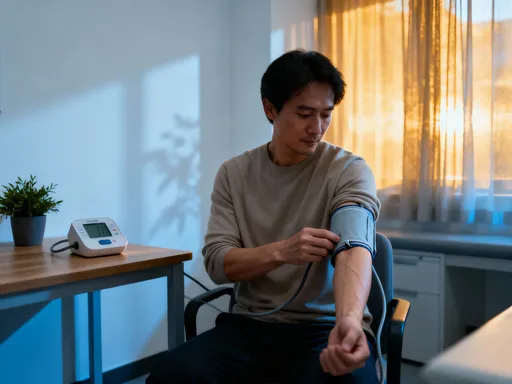
Health is often measured in numbers—blood pressure, cholesterol, weight—but some of the most telling signs of well-being are not found on a lab report. They are felt. They live in the way you rise from a chair, how easily you turn to check traffic, or whether you can reach for a high shelf without wincing. These everyday movements reflect a deeper truth: your body is constantly communicating through posture, mobility, balance, breathing, and body awareness. These are the real-time indicators of your physical health, and they often speak long before more serious conditions arise.
Consider the morning stiffness that lingers longer than it used to, or the way your shoulders creep up toward your ears when you’re focused at the computer. These are not just minor annoyances—they are signals. Poor posture may hint at weakened core muscles or tight hip flexors. Shallow breathing can reflect chronic stress or reduced lung capacity. A slight wobble when standing on one foot might indicate declining balance, a risk factor for falls as we age. When ignored, these subtle cues can evolve into chronic discomfort or limit daily function.
The body does not operate in silence. It sends messages through tension, ease, alignment, and movement efficiency. Yet, in the rush of daily life—juggling family, work, and responsibilities—many women in their 30s to 50s learn to tune out these signals. Pain is dismissed as “just aging,” stiffness is accepted as normal, and fatigue is chalked up to being busy. But the truth is, the body is designed to adapt and thrive, not just endure. Recognizing these early warnings is the first step toward meaningful change. It’s not about fixing something broken, but about restoring a lost connection.
Body awareness—the ability to sense where you are in space, how your muscles are engaging, and how your breath flows—is a skill that can be cultivated. It’s not reserved for athletes or dancers; it’s a fundamental part of health that supports everything from injury prevention to emotional regulation. When you begin to notice how your body responds to different activities, environments, and stressors, you gain the power to make informed choices. You start to ask not just “Am I sore?” but “Why am I sore?” or “What movement pattern might be contributing to this?” This shift—from passive experience to active observation—is where true health begins.
Why Pilates? More Than Just Core Strength
When most people hear the word Pilates, they think of flat abs and strong cores. While core strength is a significant benefit, the practice offers far more. Developed by Joseph Pilates in the early 20th century, this method is built on six foundational principles: centering, concentration, control, precision, breath, and flow. These are not just instructions for movement—they are a philosophy of mindful engagement with the body.
Unlike high-intensity interval training or endurance workouts that focus on output and calorie burn, Pilates emphasizes quality of movement. It’s a low-impact, joint-friendly system that prioritizes neuromuscular re-education—the process of teaching your brain to communicate more effectively with your muscles. This is especially valuable for women navigating hormonal shifts, lifestyle changes, or the physical demands of caregiving, where joint health and sustainable energy matter more than speed or intensity.
The magic of Pilates lies in its precision. A single exercise, such as the “hundred,” is not just about holding a position—it’s about maintaining a neutral spine, engaging the deep abdominal muscles, coordinating breath with movement, and keeping the shoulders relaxed. Every detail serves a purpose. This level of attention trains the nervous system to recognize optimal alignment and muscular activation, creating lasting changes in how the body functions.
Over time, regular Pilates practice enhances body awareness by reinforcing the mind-body connection. You begin to notice when you’re gripping your jaw, rounding your shoulders, or holding your breath during stressful moments. These realizations don’t come from external feedback, but from internal sensing—what scientists call interoception. This ability to perceive internal states is linked to better emotional regulation, reduced stress, and improved decision-making. Pilates, in this sense, is not just physical training; it’s a form of embodied intelligence.
Posture: The Silent Messenger of Long-Term Health
Posture is more than how you look in a mirror—it’s a window into your long-term health. Poor posture, such as forward head carriage or a rounded upper back, is not just a cosmetic issue. It affects how you breathe, digest food, and move through space. When the spine is out of alignment, it places undue stress on joints, muscles, and internal organs. For example, slouching compresses the diaphragm, limiting lung expansion and reducing oxygen intake. It can also slow digestion by compressing the abdominal cavity, leading to discomfort after meals.
Many women develop postural imbalances gradually, often due to prolonged sitting, carrying children, or repetitive household tasks. Over time, certain muscles become overactive—like the upper trapezius and chest muscles—while others, such as the deep neck flexors and mid-back stabilizers, weaken from underuse. This imbalance creates a cycle of tension and fatigue that can lead to chronic neck and shoulder pain, headaches, and reduced mobility.
Pilates directly addresses these imbalances by retraining the body to support optimal alignment. Through exercises that emphasize spinal articulation, shoulder blade stability, and pelvic neutrality, it strengthens the deep postural muscles often neglected in traditional workouts. The transverse abdominis, pelvic floor, and multifidus muscles—collectively known as the “core cylinder”—are activated in a coordinated way to support the spine from within. This internal corset does not create rigidity, but dynamic stability that allows for fluid, pain-free movement.
As posture improves, so does energy efficiency. When your head is balanced directly over your shoulders instead of jutting forward, your neck muscles don’t have to work as hard to hold it up. When your rib cage is stacked over your pelvis, your breathing becomes fuller and easier. These changes may seem small, but their cumulative effect is profound. Women who practice Pilates regularly often report feeling “lighter,” “taller,” and “more put together” without drastic changes in weight or appearance. The transformation is internal—a reorganization of structure that supports function, comfort, and confidence.
Breath as a Vital Sign—And a Tool for Change
Breathing is automatic, but that doesn’t mean it’s always optimal. Many adults, especially those under stress, fall into the habit of shallow chest breathing—lifting the shoulders with each inhale, using only the upper lungs. This pattern activates the sympathetic nervous system, the body’s “fight or flight” response, contributing to feelings of anxiety, fatigue, and tension. In contrast, diaphragmatic or lateral thoracic breathing, a cornerstone of Pilates, engages the full capacity of the lungs and promotes relaxation.
In Pilates, breath is not an afterthought—it is integrated into every movement. The method teaches lateral breathing, where the rib cage expands sideways and back, not upward. This technique allows for deeper oxygen exchange while maintaining core engagement. As you inhale, the diaphragm descends, creating intra-abdominal pressure that stabilizes the spine. As you exhale, the deep abdominal muscles contract, supporting controlled movement. This synergy between breath and core activation is essential for spinal health and efficient movement.
Learning to breathe properly has ripple effects throughout the body. Better oxygenation improves energy levels and mental clarity. Regulated breathing calms the nervous system, reducing cortisol levels and promoting restful sleep. It also enhances circulation, supporting tissue repair and immune function. For women managing stress, hormonal fluctuations, or the physical demands of daily life, mastering breath is a simple yet powerful tool for resilience.
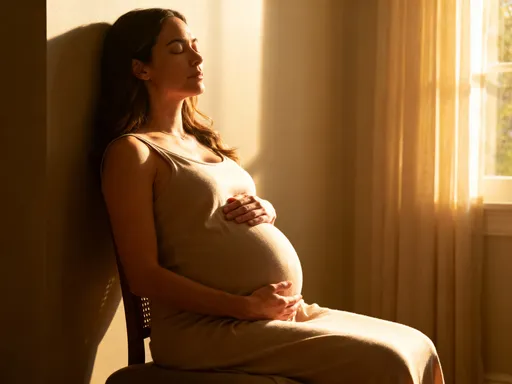
A simple self-check can reveal your current breathing pattern. Sit comfortably with one hand on your chest and the other on your abdomen. Inhale slowly through your nose. If your chest rises significantly more than your belly, you’re likely a chest breather. Try this Pilates-inspired exercise: lie on your back with knees bent, place your hands along your lower ribs, and inhale deeply into the sides and back of your rib cage. Feel the expansion without lifting your shoulders. Exhale fully, drawing the ribs together. Practicing this for just five minutes a day can retrain your breathing habits over time.
Balance and Proprioception: Your Body’s Internal GPS
Balance is not just for athletes or dancers—it’s a critical component of everyday independence. As we age, balance naturally declines due to changes in vision, inner ear function, and muscle strength. A sedentary lifestyle accelerates this process, reducing the brain’s ability to process spatial information. Poor balance increases the risk of falls, one of the leading causes of injury in adults over 50. But balance is not fixed; it can be improved at any age through targeted training.
Proprioception—the body’s ability to sense joint position and movement in space—is often described as the “sixth sense.” It allows you to walk without looking at your feet, reach for a cup without staring at your hand, or shift your weight smoothly when stepping off a curb. When proprioception is impaired, movements become clumsy, coordination suffers, and the risk of strain or injury increases.
Pilates enhances balance and proprioception through controlled, isolated movements that challenge stability in a safe way. Exercises like single-leg stretches, standing leg presses, or even simple seated rotations require focus, coordination, and precise muscle activation. These movements stimulate the mechanoreceptors in joints and muscles, sending feedback to the brain about body position. Over time, this feedback loop becomes faster and more accurate, improving overall coordination.
Improved balance translates directly to daily life. It means feeling more confident on uneven sidewalks, lifting groceries without wobbling, or playing with grandchildren without fear of falling. It also reduces the compensatory movements that lead to pain—like overusing the lower back when bending due to weak glutes or tight hamstrings. By refining proprioception, Pilates helps the body move with greater efficiency and safety, preserving independence and quality of life.
Movement Quality Over Quantity: Why Control Matters More Than Calories Burned
In a culture obsessed with step counts, calorie burn, and high-intensity workouts, the value of slow, mindful movement is often overlooked. Yet, for long-term health, movement quality trumps quantity every time. A 30-minute Pilates session may not torch as many calories as a spin class, but it builds something more enduring: neuromuscular control, joint stability, and body awareness. These are the foundations of functional fitness—the ability to move well in real life.
Take the Pilates exercise “spine twist.” On the surface, it looks simple: sitting tall, rotating the torso side to side. But within that movement lies complexity. It requires spinal mobility, shoulder stability, pelvic control, and breath coordination. Done with precision, it mobilizes the thoracic spine, improves digestion through gentle organ massage, and enhances coordination between the upper and lower body. Done carelessly, it becomes a momentum-driven sway that reinforces poor movement patterns.
The emphasis on control in Pilates prevents compensation—when one muscle group takes over for a weaker one. For example, during a “leg pull front” exercise, the goal is to maintain a stable torso while moving the legs. If the lower back arches or the neck strains, it signals that the core is not engaged properly. The instructor cues the student to slow down, refine the movement, and reconnect with the intended muscles. This attention to detail builds integrity in movement, reducing wear and tear on joints and preventing overuse injuries.
Over time, this focus on control translates into everyday actions. You learn to lift a laundry basket with a neutral spine, turn in the car without twisting your neck awkwardly, or stand in line without locking your knees. These are not dramatic feats, but they reflect a deeper understanding of how to move safely and efficiently. And that understanding is what sustains health over decades, not just days.
From Awareness to Action: Building a Sustainable Practice
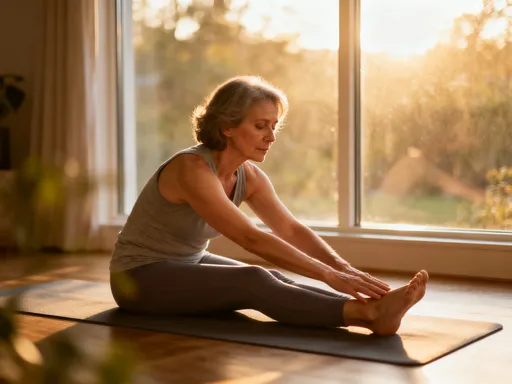
Starting a Pilates practice doesn’t require expensive equipment, a full hour of free time, or prior experience. The key is consistency, not intensity. Even 10 to 15 minutes a day can yield noticeable benefits when done with focus and intention. The goal is not perfection, but presence—showing up for yourself with curiosity and care.
For beginners, mat Pilates is an accessible entry point. It uses body weight and gravity as resistance, making it suitable for home practice. Many online platforms offer guided sessions tailored to different levels, but it’s important to choose instructors with certified training, such as from the Pilates Method Alliance or a recognized studio. Look for cues that emphasize alignment, breath, and engagement, rather than speed or difficulty.
As you progress, you may explore equipment-based Pilates using the reformer, Cadillac, or stability chair. These tools provide support or resistance, allowing for deeper neuromuscular training. However, they require supervision from a qualified instructor to ensure proper use and prevent injury. Many studios offer introductory packages for new clients, which can be a safe way to explore these options.
Creating a sustainable practice also means integrating Pilates principles into daily life. Stand with awareness—feel your feet grounded, your spine tall, your shoulders relaxed. Breathe deeply during stressful moments. Move with intention, not habit. These small acts of mindfulness compound over time, reinforcing the lessons learned on the mat. Progress may be subtle—a little more ease in movement, a little less discomfort, a little more confidence—but it is real and lasting.
Pilates didn’t transform my body overnight—but it transformed how I experience it. The real shift wasn’t in how I looked, but in how I listened. By tuning into posture, breath, balance, and control, I gained a deeper understanding of my body’s signals. These aren’t just fitness markers; they’re daily whispers of health. And when we learn to respond with awareness, we don’t just move better—we live better.