What I Learned About My Body by Doing Qigong Every Morning
I never thought standing still could tell me so much about my health. A few months ago, I started a simple morning qigong routine—just 10 minutes, no fancy moves. But something changed. I began noticing subtle shifts: a stiff shoulder, odd fatigue, even mood swings—all showing up before any real symptoms. Turns out, tuning in daily helps catch imbalances early. This isn’t magic, just awareness. And honestly? I wish I’d started years ago.
The Wake-Up Call: Why I Tried Qigong
Like many women in their 30s and beyond, I spent years prioritizing everyone else—my children, my job, my home—over my own physical signals. A twinge in the lower back? I blamed the mattress. Persistent tiredness in the afternoons? I reached for another cup of coffee. It wasn’t until a series of nagging, unexplained aches began to interfere with daily life that I realized I had been ignoring my body’s quiet warnings for far too long. These weren’t emergencies, but they were consistent—like a low-battery alert that kept flashing without being acknowledged.
Modern life moves quickly, and the pace often drowns out the body’s subtle language. We’re trained to push through fatigue, ignore discomfort, and normalize stress. But chronic tension, recurring stiffness, and unexplained mood dips aren’t just part of aging—they’re signs. My wake-up call came when I found myself unable to lift a grocery bag without wincing. That moment forced me to ask: had I missed earlier clues? Was my body trying to communicate something long before the pain arrived?
That’s when I discovered qigong. Rooted in traditional Chinese medicine and practiced for centuries, qigong is a gentle system of movement, breath, and mindfulness designed to support the body’s natural balance. Unlike intense workouts that test limits, qigong invites you to slow down, observe, and reconnect. It doesn’t require flexibility, special equipment, or hours of time. What it does require is presence—something most of us rarely offer ourselves.
Starting qigong wasn’t about fixing anything dramatic. It was about creating space to notice. And almost immediately, I began to see patterns. A stiffness in my neck each morning wasn’t random—it correlated with stress at work. A heaviness in my legs after certain days wasn’t fatigue from activity, but from emotional strain. These weren’t diagnoses, but early signals that something in my system was out of alignment. For the first time in years, I wasn’t waiting for pain to act. I was listening before it got that far.
What Is Qigong, Really?
There’s a common misconception that qigong is mystical or spiritual in a way that makes it inaccessible. But in truth, qigong is a practical, structured practice grounded in observable effects. At its core, it combines slow, intentional movements with controlled breathing and focused attention. The goal is not to perform perfectly, but to cultivate awareness—of posture, breath, muscle tension, and even emotional state. There are thousands of qigong forms, but most serve the same purpose: to regulate the flow of energy, known in traditional terms as *qi*, through the body’s channels, or meridians.
While the concept of *qi* may sound abstract, modern science offers relatable explanations. Researchers now understand that what ancient practitioners described as energy flow closely aligns with nervous system regulation, blood circulation, and interoception—the ability to perceive internal bodily sensations. When you move slowly and breathe deeply, you activate the parasympathetic nervous system, which helps the body shift from “fight or flight” to “rest and digest.” This state is essential for recovery, healing, and clear perception of physical signals.
Unlike yoga or high-intensity interval training, qigong doesn’t challenge strength or flexibility. Instead, it works beneath the surface, fine-tuning the body’s internal communication. A 2020 study published in the *Journal of Alternative and Complementary Medicine* found that regular qigong practice improved participants’ ability to detect subtle physical sensations, such as changes in heart rate and muscle tension, by over 30% within eight weeks. This heightened sensitivity is what makes qigong so effective for early detection of imbalances.
For women managing busy households and demanding schedules, this kind of self-awareness is invaluable. It’s not about adding another task to the day—it’s about transforming a few quiet minutes into a diagnostic tool. By practicing consistently, you begin to recognize your body’s baseline. And when something deviates—say, a sudden tightness in the chest or a persistent chill—you’re more likely to notice it early, before it escalates into something more serious.
How Qigong Helps Spot Imbalances Before They Become Problems
One of the most surprising benefits I experienced was how quickly qigong sharpened my ability to detect subtle changes. Within the first month, I began noticing patterns I’d never seen before. For example, during a simple arm-raising exercise, I felt a recurring tightness in my left shoulder—only on certain days. At first, I dismissed it. But after tracking it alongside my daily routine, I realized it appeared after long hours at my desk, especially when I skipped stretching. More importantly, this tension showed up days before any actual pain, giving me time to adjust my posture, take short breaks, or use a heating pad proactively.
This is the power of interoceptive sensitivity—your body’s ability to signal internal states before they become symptoms. Most people only pay attention when discomfort becomes unavoidable. But qigong trains you to catch deviations earlier. You start to notice when your breath is shallow, when your hands feel cold despite a warm room, or when a particular movement feels heavier than usual. These aren’t signs of illness; they’re early warnings of stress, poor circulation, or emotional strain.
For instance, I began to recognize that days when I felt unusually fatigued during practice often preceded a mild cold by two or three days. My body wasn’t suddenly getting sick—it had been signaling vulnerability for days, through lowered energy and slightly labored breathing. Because I was paying attention, I could respond early: drink more water, reduce screen time, and prioritize rest. This kind of preventive awareness doesn’t eliminate illness, but it reduces its impact and frequency.
Emotional shifts also became easier to identify. On days when I felt anxious or irritable before practice, I noticed my movements were jerky and my breath uneven. On calmer days, my flow was smooth and centered. Over time, this feedback loop helped me connect emotional well-being with physical expression. I learned that stress wasn’t just “in my head”—it showed up in my shoulders, my jaw, and the way I held my breath. Recognizing these patterns allowed me to intervene with simple tools: a few minutes of deep breathing, a short walk, or an early bedtime.
A Beginner’s Routine That Actually Works
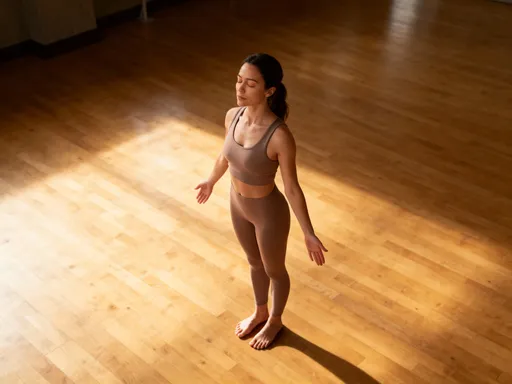
Starting a qigong practice doesn’t require expertise, special clothing, or a large space. My routine takes just ten minutes and happens in the same corner of my living room every morning. I begin with **Zhan Zhuang**, or standing meditation—a foundational qigong practice where you stand still with relaxed posture, arms slightly rounded as if hugging a tree. The goal isn’t to do anything, but to feel everything: the weight in your feet, the alignment of your spine, the rhythm of your breath. At first, I found it boring. But within days, I noticed my body “speaking” more clearly—tingling in my hands, warmth in my lower back, even subtle shifts in balance.
After two minutes of standing, I move into gentle arm movements. One of my favorites is the “arm roll,” where I slowly lift my arms to shoulder height, palms up, then rotate them as if rolling an invisible ball. This motion stimulates the meridians along the arms and shoulders, areas where many people hold tension. I do this for three minutes, focusing on smooth, continuous motion and deep abdominal breathing. The key is slowness—not speed or intensity.
The final two minutes are dedicated to **diaphragmatic breathing** while seated or standing. I place one hand on my belly and inhale deeply through the nose, allowing my abdomen to rise, then exhale slowly through the mouth. This type of breathing activates the vagus nerve, which helps regulate heart rate and digestion. It’s also a powerful way to reset the nervous system after a restless night or a stressful day.
Consistency, not perfection, made the difference. I didn’t need a coach or an app—just a few free videos from trusted sources specializing in traditional Chinese medicine wellness. Within two weeks, I noticed improvements: better sleep, fewer afternoon energy crashes, and a greater sense of calm. More importantly, my body began to give me feedback. If my hands trembled during practice, I knew my nervous system was fatigued. If I felt warmth spreading through my fingers, it was a sign of improved circulation. These small signals became my daily health report—no doctor’s visit required.
Science Meets Tradition: Why This Practice Makes Sense
For years, I was skeptical of practices labeled as “alternative” or “holistic.” But as I continued with qigong, I looked into the research—and what I found was compelling. A 2022 systematic review published in *Frontiers in Physiology* analyzed over 30 clinical trials and found that regular qigong practice led to significant reductions in cortisol, the primary stress hormone. Participants also showed improved heart rate variability (HRV), a key indicator of the body’s ability to adapt to stress and recover efficiently.
Another study from Harvard Medical School highlighted qigong’s impact on proprioception—the body’s ability to sense its position in space. Women over 40 who practiced qigong three times a week for 12 weeks showed a 25% improvement in balance and joint awareness compared to a control group. This is especially important as we age, when falls and injuries become more common. But beyond physical stability, the study noted enhanced emotional regulation and reduced anxiety levels.
What’s remarkable is how these findings align with traditional teachings. Ancient qigong masters spoke of “cultivating energy” and “clearing blockages,” which modern science now interprets as improved autonomic nervous system function and increased blood flow. When your breath feels shallow during practice, it’s not just discomfort—it’s data. It may indicate elevated stress, poor sleep, or even early signs of respiratory issues. When your limbs feel heavy, it could signal inflammation, dehydration, or circulatory challenges. These sensations aren’t drama—they’re diagnostics.
For women juggling family, work, and personal health, this kind of self-monitoring is empowering. You don’t need a wearable device or a lab test to know when something’s off. You just need to slow down and pay attention. Qigong provides a structured way to do that, turning a few quiet minutes each morning into a powerful act of self-care and early detection.
When to Seek Help: Knowing the Limits of Self-Awareness
While qigong has deepened my connection to my body, I’ve also learned its limits. It is not a substitute for medical care. There have been moments—such as persistent numbness in one hand or unexplained fatigue lasting more than ten days—when I knew it was time to see a doctor. In those cases, the practice didn’t replace diagnosis; it enhanced it. Because I had been observing my body closely, I could describe my symptoms with greater precision. Instead of saying, “I feel tired,” I could say, “I’ve noticed low energy during movement, shallow breathing upon waking, and reduced warmth in my extremities.” This level of detail helps healthcare providers make more informed assessments.
Self-awareness is not self-diagnosis. Qigong helps you detect changes, but it doesn’t interpret them. A tight shoulder could be from poor posture—or it could be a sign of nerve compression. Fatigue could stem from stress—or it could indicate an underlying condition like anemia or thyroid imbalance. The value of qigong lies in early detection, not treatment. When something feels consistently off, the responsible step is to seek professional evaluation.
That said, the practice has improved my relationship with healthcare. I’m no longer passive. I come to appointments with observations, questions, and a clearer sense of my body’s patterns. This partnership—between self-awareness and clinical expertise—has led to faster, more accurate support when needed. It’s not about replacing doctors; it’s about showing up better prepared.
Building a Sustainable Habit: From Curiosity to Daily Practice
Like any new habit, sticking with qigong wasn’t easy at first. There were mornings when I felt silly standing still, arms in the air, breathing slowly while the coffee brewed. Some days, I skipped it altogether. But I kept going, not because I expected dramatic results, but because I noticed small wins. Less morning stiffness. Fewer headaches. A calmer response to daily stressors. These quiet improvements added up.
What helped me stay consistent was linking the practice to an existing routine. I decided I wouldn’t drink my morning coffee until after qigong. At first, it felt like a bribe. But soon, the ritual became natural. The quiet moment of practice began to feel as essential as the coffee itself. On days I skipped it, I felt uncentered—like I’d missed a crucial step in starting my day.
Over time, the practice evolved from a curiosity to a cornerstone of my well-being. I no longer do it to fix something, but to maintain balance. It’s become a daily check-in, a moment of stillness in a world that rarely allows it. The real transformation hasn’t been in how I move, but in how I listen. I’ve relearned to trust my body’s signals—not to fear them, but to respond with care.
Listening Is the First Step to Wellness
Qigong didn’t heal me—it taught me how to listen. In a culture that glorifies busyness and productivity, taking ten minutes each morning to stand still may seem insignificant. But that small act has given me something invaluable: early insight into my health. I now notice imbalances before they become problems, respond to stress before it overwhelms me, and honor my body’s needs with greater clarity.
This isn’t about becoming an expert in movement or energy. It’s about reclaiming a basic human ability—awareness. Our bodies speak to us constantly, in whispers and signals, if we’re willing to pause and hear them. For women who have spent years putting others first, this practice offers a quiet rebellion: the courage to stand still, breathe deeply, and pay attention. That moment of presence might be exactly what your body has been waiting for.