How I Smarten Up My Splurges: A Real Talk on Luxury That Pays Off
Ever bought something luxurious and instantly regretted it? I’ve been there—dropping serious cash on high-end items only to feel the guilt later. But over time, I discovered a smarter way to enjoy luxury without wrecking my finances. It’s not about spending more or chasing discounts—it’s about aligning luxury purchases with real value and market trends. This is my take on turning indulgences into smart moves, using practical methods that actually work. The truth is, luxury doesn’t have to mean financial recklessness. With the right mindset and a few strategic habits, it’s possible to enjoy high-end living while staying in control. This isn’t about deprivation; it’s about intentionality. And for many women in their 30s to 50s—juggling family, careers, and personal goals—this balance is not just helpful, it’s essential.
The Splurge Trap: When Luxury Costs More Than Money
Many people treat luxury purchases as emotional escapes rather than financial decisions. I used to buy designer pieces on impulse, mistaking excitement for value. What I didn’t realize was that emotional spending often leads to depreciation, not appreciation. Luxury items can lose value fast—especially when driven by trends, not timeless design. A handbag bought in a moment of celebration may feel empowering at first, but if it sits unused in the closet six months later, its only real cost isn’t the price tag—it’s the lost opportunity to allocate that money toward something more meaningful. The psychological pull of a splurge is powerful. It’s tied to milestones, stress relief, or even a desire to feel seen. But when these purchases are made without reflection, they become financial leaks that accumulate silently over time.
What separates a wise luxury buy from a regrettable one isn’t the brand or the price—it’s the intention behind it. I began to notice a pattern in my own spending: the items I regretted most were the ones I bought quickly, often during moments of emotional highs or lows. The thrill of unboxing gave way to a quiet unease when I reviewed my bank statement. This wasn’t just about overspending; it was about misaligned priorities. Luxury, when treated as a reward, can become a trap if it’s not grounded in long-term value. The key shift for me was recognizing that financial health isn’t about avoiding pleasure—it’s about ensuring that pleasure doesn’t come at the expense of stability.
Over time, I started asking myself a simple question before any significant purchase: "Will this still matter to me in a year?" That single filter helped me avoid several impulse buys that, at the time, felt urgent. It’s not that emotions should be excluded from spending decisions—far from it. Emotions are part of what makes luxury meaningful. But when they’re the only driver, the outcome is often imbalance. By acknowledging the emotional component while also applying rational evaluation, I found a way to enjoy luxury without the guilt. This awareness didn’t eliminate splurges; it refined them. And that made all the difference.
Reading the Market: What’s Hot, What’s Not, and Why It Matters
Luxury isn’t static—what’s valuable today might fade tomorrow. I learned this the hard way after buying a limited-edition watch that quickly lost its buzz. Market trends shape resale value, brand perception, and long-term satisfaction. At the time, the watch felt like a smart buy: it was exclusive, heavily promoted, and widely seen on social media. But within 18 months, interest waned, and the secondary market price dropped by nearly 40%. That experience taught me a crucial lesson: popularity doesn’t equal permanence. Just because something is trending doesn’t mean it holds intrinsic value. The luxury market, much like the stock market, responds to supply, demand, and sentiment. Ignoring these signals can turn a dream purchase into a financial disappointment.
To make better decisions, I began tracking shifts in consumer behavior, brand reputation, and collector demand. Instead of following hype, I started watching signals like brand collaborations, celebrity endorsements, and secondary market performance. For example, certain handbag styles maintain strong resale values not because they’re flashy, but because they’re consistently produced, widely recognized, and built to last. Brands that prioritize craftsmanship over fleeting trends tend to retain value better. I also paid attention to how often a product was restocked—items that are too readily available rarely appreciate. Scarcity, when authentic, contributes to long-term desirability.
Another important factor is brand consistency. A company that maintains its design language, quality standards, and customer experience over time is more likely to sustain value. In contrast, brands that frequently change direction or dilute their image through mass-market partnerships often see their luxury appeal diminish. I also began using online resale platforms to research past pricing data, observing how certain models held up over time. This wasn’t about becoming a market analyst—it was about gaining awareness. The more I understood the forces shaping value, the more confident I felt in my choices. Luxury, when viewed through this lens, becomes less about impulse and more about insight.
From Want to Worth: Building a Value-First Mindset
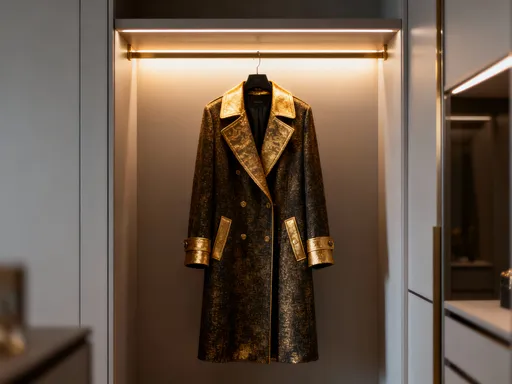
I shifted from asking "Do I want this?" to "Is this worth it?"—a small change with big financial impact. Value isn’t just about price tags; it’s about utility, durability, and emotional return. I began evaluating items based on how often I’d use them, how well they’d age, and whether they aligned with my lifestyle. A $2,000 coat might be a steal if worn weekly for years; the same price for a rarely used bag is waste. This mindset shift transformed the way I approached spending. It wasn’t about cutting back—it was about getting more from every dollar. When I started measuring worth beyond the moment of purchase, my relationship with luxury became more intentional and far more satisfying.
One of the most effective tools I adopted was the "cost per use" calculation. For any high-ticket item, I estimated how many times I would realistically use it over its lifetime. Dividing the price by that number gave me a clearer picture of its true cost. A $1,200 pair of boots worn 100 times amounts to $12 per wear—far more reasonable than the upfront shock of the price. On the other hand, a $900 dress worn only three times costs $300 per occasion. This simple math helped me prioritize purchases that would integrate into my daily life, rather than sit as occasional novelties. It also encouraged me to invest in quality over quantity, knowing that well-made items last longer and deliver better long-term value.
Emotional return is another critical component of worth. Some items may not be used frequently, but they bring lasting joy—like a piece of jewelry passed down in the family or a custom-made item with personal significance. These are different from impulse buys because their value is rooted in meaning, not momentary excitement. I learned to distinguish between sentimental value and emotional manipulation by marketing. The former enriches life; the latter drains it. By focusing on items that offer both functional and emotional benefits, I created a collection of luxury goods that truly enhanced my life, rather than cluttered it.
Timing the Buy: Why Patience Pays in Luxury
I used to fear missing out—FOMO drove many of my worst purchases. Then I noticed something: trends cycle, restocks happen, and resale markets fluctuate. Waiting even three months can reveal whether an item is a fleeting fad or a lasting favorite. I started delaying non-urgent buys, watching price trends, and even setting alerts for restocks. This section shares how strategic timing—using seasonal drops, post-holiday sales, and off-peak demand—can save hundreds while increasing satisfaction. Patience isn’t passive; it’s a financial tool. For women managing household budgets and long-term goals, this approach offers a way to enjoy luxury without compromising financial peace.
One of the most effective strategies I use is the 90-day rule. If I see something I love, I wait three months before buying. During that time, I observe whether my desire remains strong or fades. I also monitor price changes, checking both retail and resale platforms. Often, I’ve found that the item either goes on sale, becomes available in a preferred color, or loses popularity—giving me more leverage. In several cases, I’ve avoided purchases I would have regretted simply because the initial excitement didn’t last. This waiting period also allows me to save deliberately, setting aside funds so the purchase doesn’t disrupt other financial plans.
Seasonal timing plays a major role too. Many luxury brands release new collections in January and July, with older inventory often discounted in the months that follow. Post-holiday periods, particularly February and August, are excellent times to find reductions on previous season’s items. I’ve scored high-quality pieces at 20–30% off by simply adjusting my shopping calendar. Additionally, off-peak travel seasons offer similar advantages for luxury experiences. A spa retreat in April, for example, costs significantly less than the same package in December, with the same level of service. By aligning purchases with natural market cycles, I’ve consistently reduced costs without sacrificing quality.
The Resale Reality: Planning the Exit Before the Entry
Now, I think about selling before I buy. The resale market has exploded—platforms like Vestiaire Collective and Rebag show that many luxury goods hold value surprisingly well. But not all do. I learned to research resale history, brand consistency, and model longevity before spending. Items with high retention—like certain handbags or timepieces—are essentially semi-investments. This section dives into how to use resale data as a decision filter, turning luxury into a circular economy where exits fund future entries. For many women, this shift means luxury no longer feels like a one-way expense, but a sustainable part of financial planning.
When evaluating a potential purchase, I now check its resale performance across multiple platforms. I look at how quickly similar items sell, the percentage of retail value they retain, and whether demand remains steady over time. For example, certain classic handbag models consistently resell for 70–85% of their original price, even after years of use. These are the kinds of items that make financial sense as part of a rotating wardrobe. In contrast, trendy pieces with short lifespans often sell for less than half their retail value, if they sell at all. This data doesn’t dictate every decision, but it informs them—especially for higher-priced items.
Planning the exit also means maintaining the item properly. I keep original packaging, authenticity cards, and service records, all of which increase resale value. I avoid overuse and store items correctly to preserve condition. This level of care turns ownership into stewardship, reinforcing the idea that luxury is not disposable. Over time, I’ve sold several pieces and used the proceeds to fund new purchases, creating a self-sustaining cycle. This approach doesn’t eliminate spending—it makes it more responsible. And for women who value both beauty and practicality, that balance is deeply empowering.
Diversifying Splurges: Beyond Fashion and Watches
Luxury isn’t just handbags and watches—it can include travel, wellness, or unique experiences. I began reallocating some of my budget toward high-value experiences: a quiet retreat, a private cooking class, or curated local tours. These don’t depreciate like physical goods and often deliver deeper, longer-lasting joy. This section compares tangible vs. experiential luxury, showing how diversification can balance emotional payoff with financial sense. It’s not about spending less—it’s about spending smarter across categories. For women who prioritize family, connection, and personal growth, experiential splurges often offer the richest returns.
One of the most memorable investments I’ve made was a week-long wellness retreat in the mountains. Unlike a designer dress that might go out of style, the benefits of that experience—reduced stress, better sleep, and renewed energy—lasted for months. The memories remain vivid, and the lessons I learned continue to influence my daily habits. Experiences like these don’t clutter the home or lose value over time. Instead, they enrich life in ways that material goods often can’t. I’ve since made it a practice to allocate a portion of my luxury budget to non-material indulgences, ensuring a more balanced and fulfilling approach to spending.
Another powerful form of experiential luxury is learning. A private pottery class, a wine-tasting tour, or a guided nature hike offers both enjoyment and personal growth. These activities create stories, build skills, and foster connection—whether with family, friends, or oneself. Unlike physical items, they can’t be damaged or outdated. Their value compounds over time, especially when shared. I’ve found that combining experiential and tangible splurges leads to greater overall satisfaction. For example, buying a beautiful cookbook after a cooking class makes the experience tangible, while the class itself ensures the book is used and appreciated. This synergy between experience and object creates a richer, more sustainable form of luxury.
The Balanced Approach: Making Luxury Work for You, Not Against You
Now, my luxury purchases follow a clear method: assess value, study trends, time the market, and plan resale. This isn’t about denying joy—it’s about maximizing it while protecting my finances. I’ve stopped feeling guilty after splurging because I know each purchase fits a strategy. This final section ties everything together, showing how a disciplined yet flexible approach turns luxury from a financial leak into a rewarding, sustainable habit. For women who manage households, care for families, and pursue personal fulfillment, this balance is not a luxury—it’s a necessity.
The goal isn’t perfection. There will always be occasional impulse buys or purchases that don’t go as planned. But having a framework reduces the frequency of regrets and increases the likelihood of satisfaction. I no longer view luxury as something to be justified—I see it as a form of self-respect, when done thoughtfully. It’s about honoring my taste, my time, and my money. When each element is considered, splurging becomes an act of empowerment, not excess.
What I’ve learned can be applied at any budget level. Whether spending $200 or $2,000, the principles remain the same: intentionality, research, timing, and planning. Luxury, when aligned with personal values and financial reality, stops being a burden and starts being a source of lasting joy. It’s not about how much you spend—it’s about how wisely you spend it. And for women navigating complex lives with grace and resilience, that wisdom is one of the most valuable luxuries of all.