How I Cracked Financial Freedom by Tracking Every Dollar
What if the key to financial freedom isn’t earning more—but understanding what you already spend? I used to think I was good with money until I started tracking every expense. What I discovered shocked me. Hidden costs were draining my income, and small leaks were keeping me stuck. This is the real story of how cost analysis became my game-changer—no hype, just honest insights and practical moves that actually work. It wasn’t about cutting out coffee or living in austerity. It was about seeing where my money truly went and making intentional choices. What began as a simple spreadsheet turned into a mindset shift that transformed not just my finances, but my sense of control and peace.
The Wake-Up Call: When Saving Wasn’t Enough
For years, I believed I was financially responsible. I set a monthly budget, paid my bills on time, and even managed to save a portion of my paycheck. I avoided big-ticket splurges and rarely used credit cards. On paper, everything looked balanced. But despite all this discipline, my savings barely grew. My emergency fund remained stagnant, and the idea of investing felt out of reach. I began to question whether I needed a higher-paying job or a side hustle just to get ahead. The real issue, however, wasn’t my income—it was my spending awareness.
The turning point came after a routine check of my bank statements. I noticed recurring charges I didn’t recognize—small amounts, but they added up. A $7.99 subscription here, a $3.99 app trial there, and multiple delivery fees from food orders I barely remembered. These weren’t luxuries; they were invisible habits. I realized I had no clear picture of how my money flowed each month. My budget was based on estimates, not actual data. That’s when I decided to track every single dollar I spent for 30 days. No exceptions. No rounding up. Just raw, honest numbers.
At first, it felt tedious. I logged every purchase—gas, groceries, even the $1.50 tip I left at a coffee shop. But by the end of the month, the results were eye-opening. I had been underestimating my monthly spending by nearly 18%. The biggest culprits weren’t big vacations or shopping sprees. They were recurring subscriptions, lifestyle creep, and emotional spending disguised as convenience. I had signed up for free trials that auto-renewed, upgraded services without evaluating their value, and justified small purchases because they “didn’t feel like much.” This lack of awareness was the real bottleneck, not my salary. Once I saw the full picture, I understood that financial progress wasn’t about earning more—it was about seeing more.
Mapping the Money Flow: Building a Personal Cost Framework
With a month’s worth of spending data in hand, I needed a way to make sense of it. I started organizing expenses into categories, but not the usual ones like “entertainment” or “dining out.” Instead, I created a framework based on impact and frequency. I separated costs into four main groups: essential fixed, essential variable, discretionary high-impact, and low-value recurring. This structure helped me see which expenses truly supported my life and which were silently draining it.
Essential fixed costs included rent, utilities, insurance, and minimum debt payments—things I had to pay each month with little flexibility. Essential variable costs covered groceries, transportation, and household supplies—necessary, but with room for optimization. Discretionary high-impact expenses were things that brought real value, like family activities, health-related spending, or meaningful gifts. Then came the fourth category: low-value recurring costs. These were the subscriptions, app fees, and minor convenience charges that added up over time without delivering proportional benefit. This category was the most revealing. I found over $80 a month going toward services I rarely used or had forgotten about entirely.
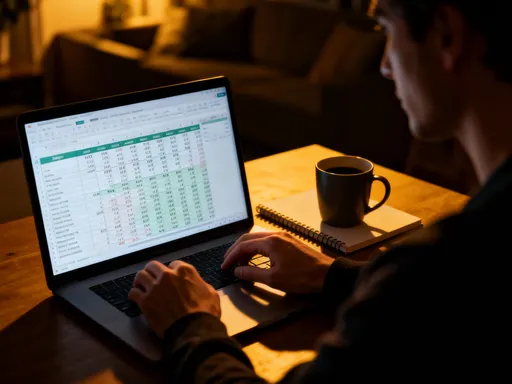
The act of categorizing wasn’t just about labeling—it changed how I thought about money. I stopped seeing spending as a series of isolated choices and began to view it as a system. Each dollar had a role, and if it wasn’t serving a clear purpose, it was a leak. I built a simple spreadsheet with color-coded tabs for each category and updated it weekly. Over time, this visual map became a tool for decision-making. Before making a new purchase, I asked: Does this fit into a high-value category? Is it replacing something else? Will it create a recurring cost I’ll forget? This clarity didn’t require willpower—it created it. When you see your money clearly, control follows naturally.
The Hidden Costs No One Talks About
Most personal finance advice focuses on the obvious—avoid eating out, skip the daily latte, don’t buy a new car. But the real financial drains are often hidden in plain sight. They don’t feel like big decisions when you make them, but they compound over time. One of the most surprising discoveries in my tracking journey was how much I was paying for convenience. Premium shipping on online orders, for example, seemed minor at $2.99 per transaction. But over six months, that added up to nearly $75—just to get things a day earlier. I wasn’t saving time; I was paying for impatience.
Another silent cost was brand loyalty. I had been using the same internet provider for years, assuming it was a necessary fixed cost. When I finally compared plans, I realized I was paying 22% more than the current market rate for the same speed. Because I had never renegotiated or shopped around, I was overpaying by over $400 a year. Similarly, I had been loyal to a particular grocery store chain, believing it offered the best quality. After tracking my receipts, I found that switching to a store with better weekly deals saved me an average of $38 per trip—adding up to over $1,900 annually. These weren’t lifestyle sacrifices; they were awareness gaps.
Then there were the psychological costs—spending driven by habit, emotion, or social pressure. I noticed a pattern of online shopping during stressful workdays. I wasn’t buying anything extravagant, but small impulse purchases—books, skincare samples, home decor—averaged $120 a month. That’s $1,440 a year spent not on joy, but on temporary distraction. I also discovered that I was paying for multiple streaming services because “I might watch something.” In reality, I used only two regularly. The others were inactive but still charging me. These hidden costs didn’t show up on a budget summary, but they were real. The lesson was clear: if you’re not actively managing a cost, it’s managing you.
Cutting Smart, Not Just Cutting Back
Once I identified the leaks, the natural next step was to cut them. But I quickly learned that slashing expenses indiscriminately could backfire. Cutting too much too fast led to frustration and, eventually, burnout. I tried eliminating all dining out, only to end up ordering more expensive takeout a few weeks later. I canceled a fitness app I actually used, then paid full price for a replacement. The goal wasn’t deprivation—it was optimization. I shifted my focus from cutting back to cutting smart, prioritizing changes that had the biggest impact with the least disruption.
I started with the easiest wins: canceling unused subscriptions and trials. That alone freed up over $65 a month. Then I tackled recurring bills. I called my internet provider, referenced competitor pricing, and negotiated a lower rate—saving $28 a month with no change in service. I switched to a lower-cost cell phone plan that offered the same data and coverage, cutting my bill in half. These weren’t lifestyle changes; they were administrative updates. I also began timing my purchases around sales and using price-tracking tools to buy essentials at their lowest point. Stocking up on pantry items during grocery store promotions saved me an average of 15% on those categories.
Another smart cut was reevaluating my payment methods. I had been using a credit card with no rewards, simply because it was convenient. I switched to a card that offered cashback on groceries and gas, earning me an extra $300 a year with no extra spending. I also started using digital wallets with built-in spending summaries, which made it easier to stay within my weekly limits. The key was making cuts that felt neutral or even positive—saving money without sacrificing comfort. This approach made the changes sustainable. Instead of feeling restricted, I felt empowered. Each smart cut created breathing room in my budget, which I could then redirect toward my financial goals.
Redirecting Savings: From Expense Tracking to Wealth Building
Tracking expenses wasn’t just about saving money—it was about creating opportunity. Every dollar I reclaimed from unnecessary spending became a tool for growth. I didn’t let the savings sit in my checking account, where they could easily be spent. Instead, I set up automatic transfers to designated accounts. A portion went into a high-yield emergency fund, another into a retirement account, and the rest toward paying down credit card debt. This shift changed my relationship with money. I wasn’t just avoiding waste—I was actively building something.
One of the most powerful moves was automating investments. I started with a small monthly contribution to a low-cost index fund, using a platform that allowed fractional shares. Over time, that consistent investing, fueled by redirected savings, began to compound. I didn’t need a windfall or a raise—just the discipline to reroute what I was already earning. Within a year, my investment account had grown to over $4,000, entirely from money I had previously been spending without awareness. That wasn’t luck; it was strategy.
Debt reduction also accelerated. By redirecting just $150 a month from canceled subscriptions and bill negotiations, I paid off a $2,000 credit card balance in under 14 months. The psychological benefit was as significant as the financial one. I felt lighter, more in control. I also built a six-month emergency fund, which gave me confidence to handle unexpected expenses without going into debt. The process showed me that wealth building doesn’t require drastic measures. It requires consistency, clarity, and the courage to redirect your resources toward what truly matters. Expense tracking wasn’t the end goal—it was the foundation for everything that came after.
Staying on Track: Systems That Prevent Backsliding
Even with great progress, old habits can creep back in—especially during busy or stressful times. I learned this the hard way when a family emergency pulled my attention away from my finances for several weeks. When I returned to my tracking, I found new subscriptions, unreviewed charges, and overspending on convenience. The system had broken down because it relied too much on my willpower and not enough on structure. That’s when I shifted from manual tracking to building sustainable systems.
I set up monthly check-ins—just 45 minutes at the start of each month to review statements, update my spreadsheet, and adjust categories if needed. I also enabled spending alerts on my bank account, so I’d get a notification when I approached my weekly budget limit. These small nudges kept me aware without requiring constant effort. I created a visual tracker—a simple chart on my fridge—that showed my progress toward savings goals. Seeing the bars grow each month was more motivating than any spreadsheet.
Automation was the most effective tool. I set up automatic bill payments, savings transfers, and investment contributions so that the right money went to the right place without me having to think about it. I also used a personal finance app that synced with my accounts and categorized spending in real time. This didn’t eliminate the need for awareness, but it reduced the mental load. Discipline, I realized, works best when it’s built into your routine. It’s not about being perfect every day—it’s about creating systems that keep you on track even when life gets busy. Over time, these habits became second nature, and financial awareness became a quiet, constant presence in my life.
Financial Freedom Redefined: It Starts with Clarity
Looking back, I used to think financial freedom meant having a certain amount in the bank or reaching a specific income level. Now I know it’s not about the number—it’s about control. It’s the peace of mind that comes from knowing where your money goes and trusting your decisions. Tracking every dollar didn’t just help me save; it gave me confidence. I started making bolder choices—negotiating my salary, exploring a career change, and even taking a calculated risk on a side project. None of those moves would have felt possible when I was living in financial fog.
The journey taught me that awareness is the most powerful financial tool. You can’t manage what you don’t measure. Small, consistent actions—like reviewing a statement, questioning a charge, or redirecting a few dollars—add up to transformation over time. Financial freedom isn’t a destination; it’s a practice. It’s built on daily choices, reinforced by systems, and sustained by clarity. I’m not perfect—I still make impulse buys or forget to cancel a trial. But now I catch it quickly. I have the tools and the mindset to correct course.
For anyone feeling stuck, overwhelmed, or unsure where their money goes, the first step isn’t a budget or a financial plan. It’s simply to look. Track your spending for one month. Don’t judge, don’t change anything—just observe. You might be surprised by what you find. Because once you see the truth, you can’t unsee it. And from that awareness, real progress begins. Financial freedom isn’t about having more. It’s about knowing what you have—and making it count.